Kitchens above lakes and coasts · Sounding 04
Sounding 04 · Sourcing

From Net to Pass in Hours

Entry 01 · The promise

Dining on the water you are eating from

A floating restaurant makes an unspoken promise: the fish on your plate came from the water beneath the deck, or close to it. On the best platforms that promise holds. Professional lake fishers set nets before dawn, land their catch at small harbours a few kilometres away and deliver whole fish the same morning. The kitchen fillets, cures or cooks it by evening. The distance is short; the timing is tight.

Keeping that promise depends on seasons, quotas and honesty. Lake fisheries are small, and in poor years demand from restaurants exceeds the local catch. Ask where the fish was landed — a good waiter will know the harbour, sometimes the fisher.
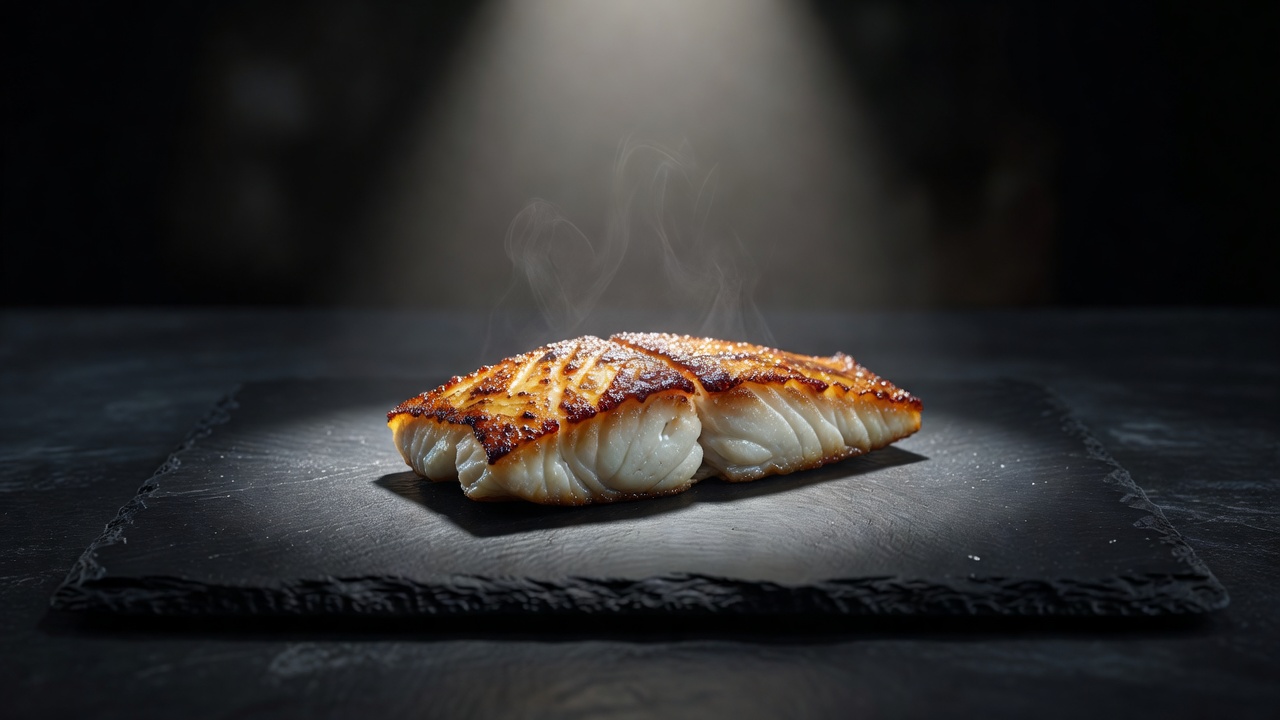
Féra, skin crisped, on slate.
Entry 02 · Timeline

One day on an Alpine lake

  1. Nets lifted

    The fisher lifts gill nets set the evening before. Whitefish and perch are bled and iced on the boat.

  2. Landing

    Catch is weighed and recorded at the harbour, as required by the lake's fishing regulations.

  3. Delivery

    An insulated van reaches the shore end of the gangway; crates cross on a trolley straight into the cold room. Time out of refrigeration is logged.

  4. Butchery

    The fish chef fillets the catch. Frames become stock; perch skins become crisps.

  5. Lunch service

    Perch fillets meunière, the lake's classic, go out first.

  6. Dinner

    Cured féra, Arctic char, and whatever the morning offered in quantity.

Entry 03 · Lake species

What the Alpine lakes give

Féra (lake whitefish, genus Coregonus) is the signature of Lake Geneva and Lake Annecy: delicate, white, best smoked or seared. Perch appears everywhere as filets de perche, though much perch served around Lake Geneva has historically been imported because local supply cannot meet demand — menus that say "du lac" should mean it. Arctic char (omble chevalier) lives in deep cold water and is prized by chefs from Annecy to Constance. On Lake Como, the shad-like agone is salted and sun-dried into missoltini, a centuries-old preserve grilled and served with polenta.

Most of these fisheries close for spawning — dates vary by lake and species — so the same dish may vanish from a menu for weeks. That absence is a good sign.

Entry 04 · Coastal waters

Reefs, bays and tropical lagoons

In the Maldives, the national fishery is famous for pole-and-line tuna — skipjack and yellowfin caught one fish at a time, a method associated with low bycatch, and a fishery that has held Marine Stewardship Council certification. Resort kitchens buy from island fishers and from day boats, and many run reef-fish rules that keep vulnerable species such as Napoleon wrasse off the menu. In Halong Bay, cruise galleys buy squid, clams and grouper from floating farms; ask whether shellfish comes from monitored waters.

Entry 05 · Questions to ask

Reading a menu on the water

Where was it landed?

A named harbour or fisher is a strong signal of local supply.

Is it in season?

Closed seasons protect stocks; out-of-season "local" fish deserves a question.

Is any of it farmed?

Farmed char and trout can be excellent; the menu should simply say so.

Entry 06 · Nothing overboard

Waste on a platform

The water that feeds the kitchen must never receive its waste. Fish frames, oil and food scraps leave by the same gangway the catch arrived on, sealed and chilled, to composting or rendering ashore. Some kitchens return bones to fishers as bait — the circle closes on land, not in the lake.

Read the Log